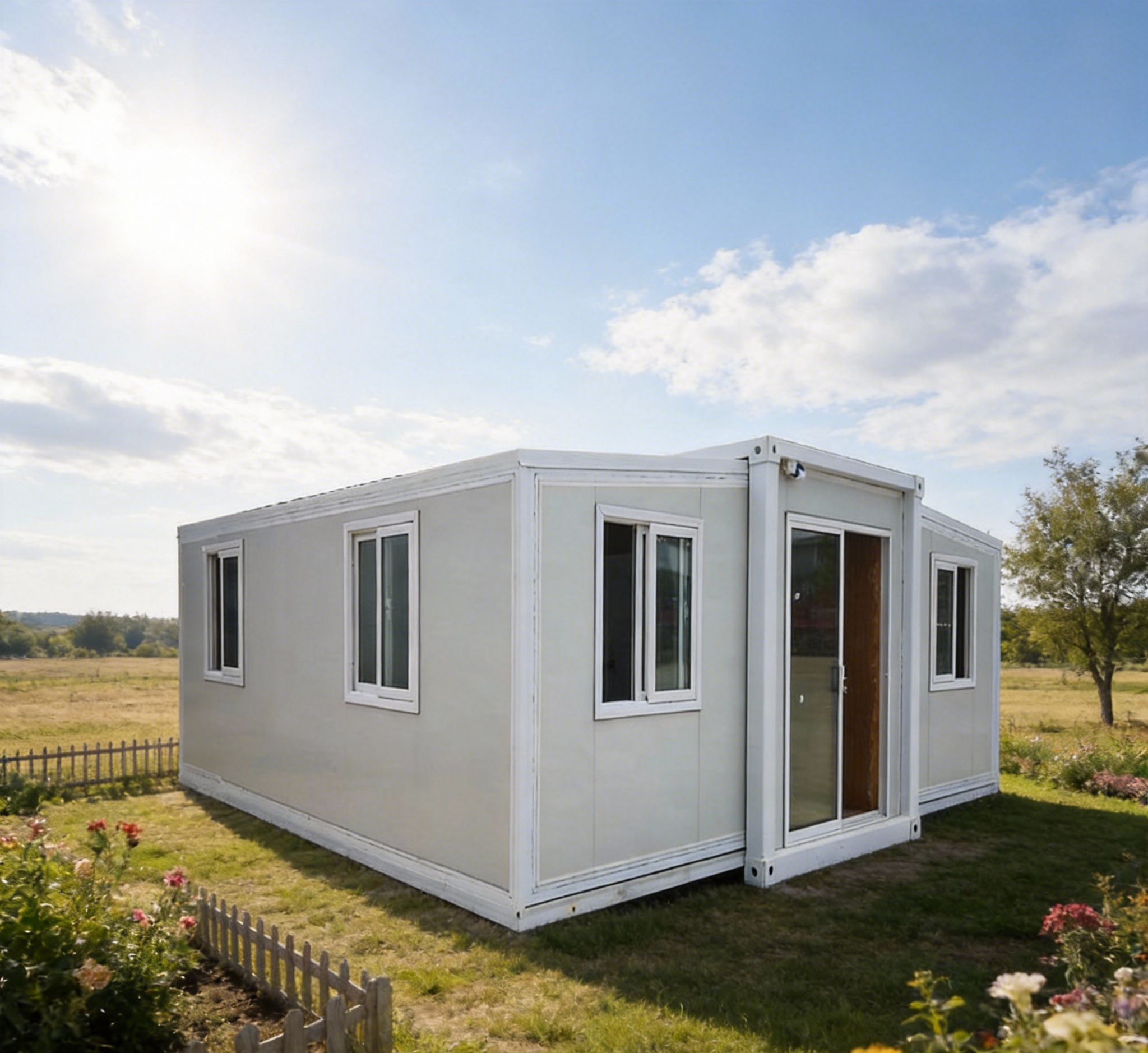
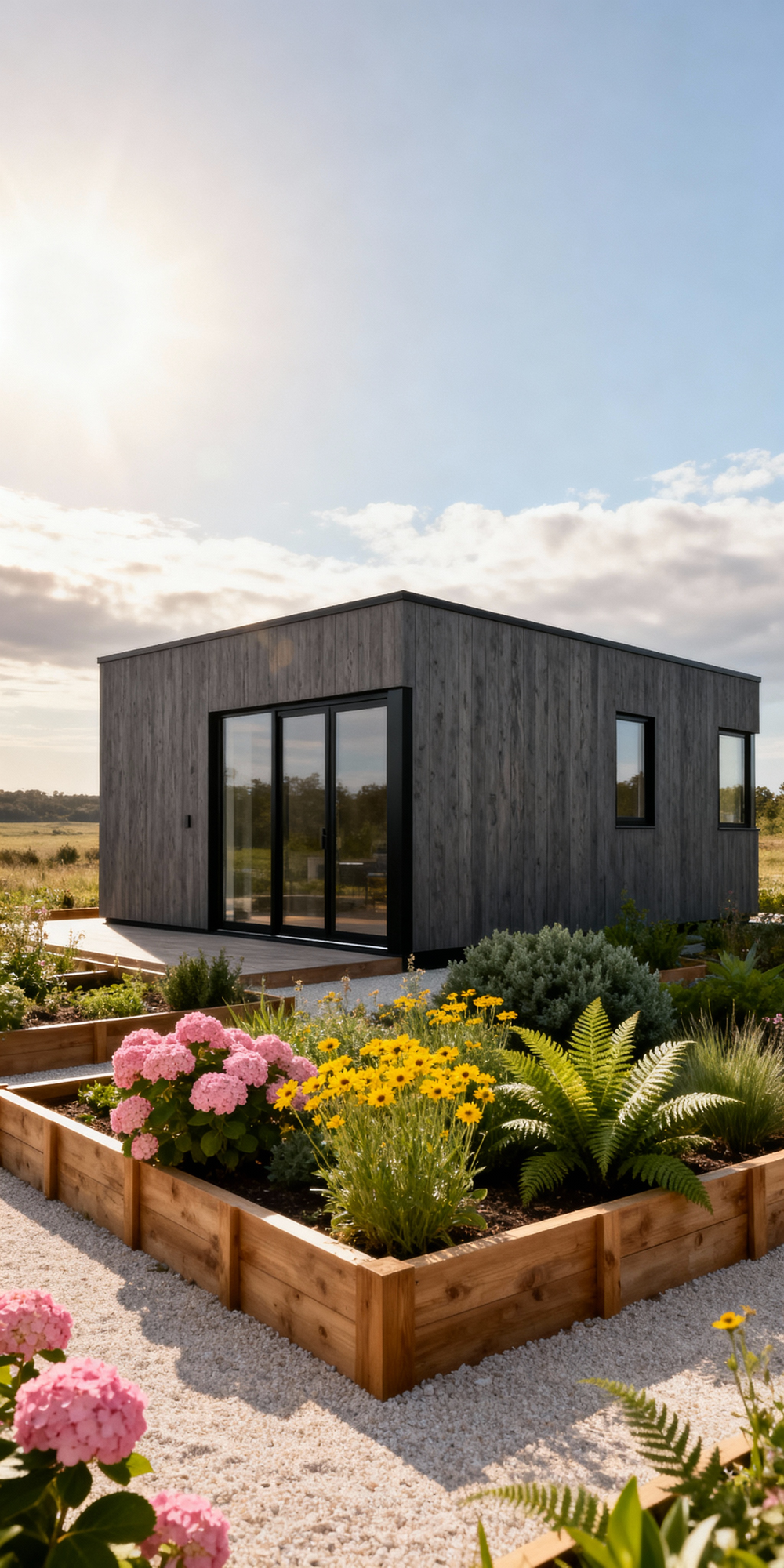
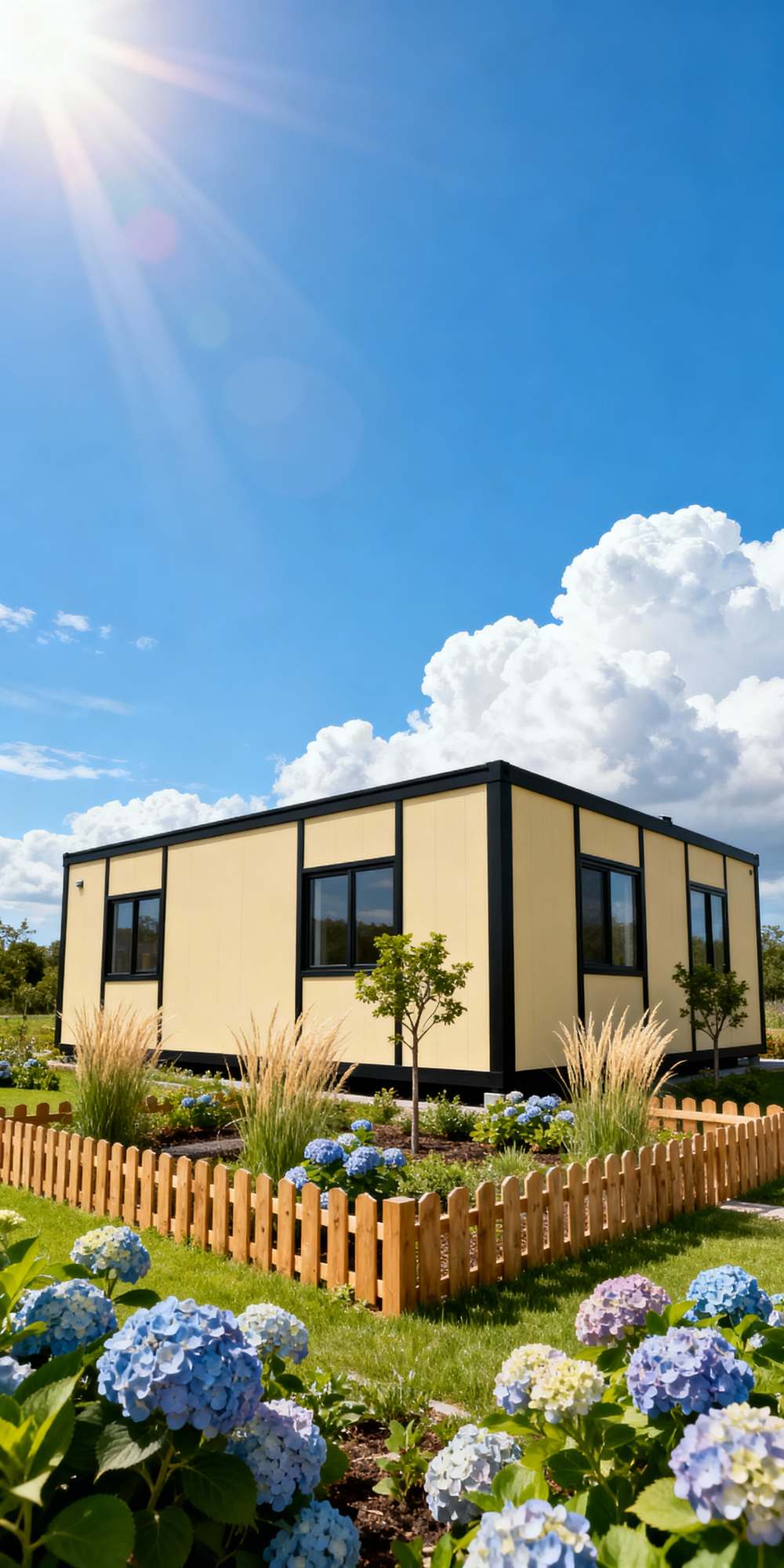
Tiny house containers are very trendy. They are households crafted out of metal shipping containers that people use to move goods across the oceans. They can be converted into warm and homey living areas with your own kitchens, bathrooms and bedrooms above. Many people enjoy them for being less bulky, cheaper and greener. Here at Playwise, we love these homes and feel that they’re not only one of the best options for sustainable living, but also for anyone who just wants to live a little simpler. Through proper design and creativity, even a container house can be made to feel like home. Here is more information about why small container houses are an eco-friendly way to live and some common problems with them.
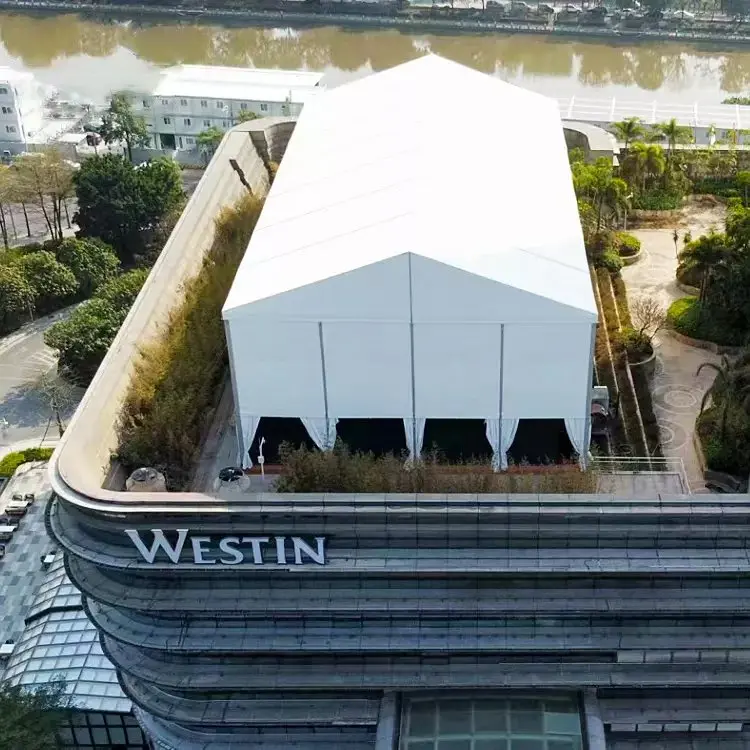
There are several reasons why small container houses are conducive to sustainable living. First, they are made out of recycled materials. Shipping containers often hit the end of their lives after traversing the globe with products inside. Rather than let them rust in yards, people can turn them into homes. This cuts down on waste and is good for the environment. Second, the container houses take up less space and consume less energy. They are less than the size of regular houses, so they take fewer materials to build. This would be less wood, less water and energy during the building process. A lot of container homes also include solar panels that can help produce clean energy. That is a huge plus, because it means we are also less dependent on fossil fuels. In addition, container houses are relatively fast to build. They usually are built faster than typical houses. That means less construction waste and a smaller carbon footprint. And they disturb less dust. People can far more easily move a container home to a new location if they have to. This is great for travelers or those who like a change of scenery. And last but not least, container homes can get very creative. There are lots of different ways people can design them, which means each home is special. They may have gardens, outdoor spaces, and colorful finishes. That creativity is what makes living in a container house fun and unique. For those looking for more elaborate options, consider a Large premium aluminum Warehouse Tent for additional outdoor space.
Despite all that’s good about these types of tiny houses, there are some downsides as well. One common issue is insulation. Metal shipping containers can become dreadfully hot in summer and bitterly cold in winter. This means good insulation is critical to maintaining a comfortable inside. It’s difficult to keep a nice temperature without good insulation. Folks might need to shell out additional cash for heating or cooling. Another problem is space. Living in a small home is wonderful. It can also be difficult. There may be an inevitable downsizing of possessions, which can be tough for some. They may miss having a lot of space for storing their stuff or doing things. Some areas also do not permit container homes. In some areas, there are strict building codes and endless regulations to navigate in order to obtain permission to live in a container house. This can be a source of frustration for those who would like to construct one. Finally, plumbing and electrical work may be more challenging to install in container homes. Special planning may be necessary to design a layout that works well. This may increase construction price and time. Ultimately, while container homes are an attractive possibility for many of us, these challenges should be taken into account before tackling life in a box.
Converting a small shipping container into your dream home can be pretty fun and not as daunting! First of all, consider what you are looking to get from the home. Do you like bright colors? Are you looking for a charming nook or a more modern style? Begin by listing some of your favorite things. This will guide your decor choices. One excellent concept is furniture that can morph in shape or size. For instance, a sofa that converts into a bed can be space-saving and really helpful. You can also place it on the foldable tables and chairs. In this way, you can instantly make more space when necessary. Once you have chosen the proper container, think about how it is arranged. By dint of being little, you want to get as much as possible out of every inch. Curtains or sliding doors can be employed to divide spaces. For example, a curtain can separate the living area from where you sleep, creating an atmosphere of greater privacy. Lighting is also important. Distract the guest with bright lights and make the space feel bigger, more inviting. Lamps, fairy lights and even big windows that let in natural light can be added.

Another tip is to use nature. Plants will help transform your little container house into a home. You can stick tiny pots up on shelves or sling them from the ceiling. This will help not just to keep insect but ultimately it addition beauty and fresh air inside. As for color, light hues can help the space feel more open. Consider painting the walls soft blues or whites. You can also add decorations for a touch of color and personality. Finally, don’t neglect the exterior! A little porch or a deck can be one of the most relaxing spaces. With some outdoor furniture and perhaps a few plants added, you can make yourself an inviting place. With these concepts, you can turn your small container homes into an outstanding dream home that tells about you!

Small container homes are getting pretty popular, and there are some new designs out there! One movement is towards ecological materials. “People want to take care of the planet, so they use materials that are good for the earth. So, for instance, using furniture made out of recycled wood or for energy adding solar panels is a fabulous decision. This is not just good for the environment, but can save you money on energy bills. Another popular style is designing rooms to have dual or multi-purposes. Because container homes are petite indeed, designers are creating rooms that can multi-task. For example, a home office can double as a guest room. This is achieved by making use of a sofa bed or mammoth foldable desk. If you’re looking for a more spacious feel, consider a Portable 20 Foot With 3 Bedroom Prefab Houses Modern Homes.

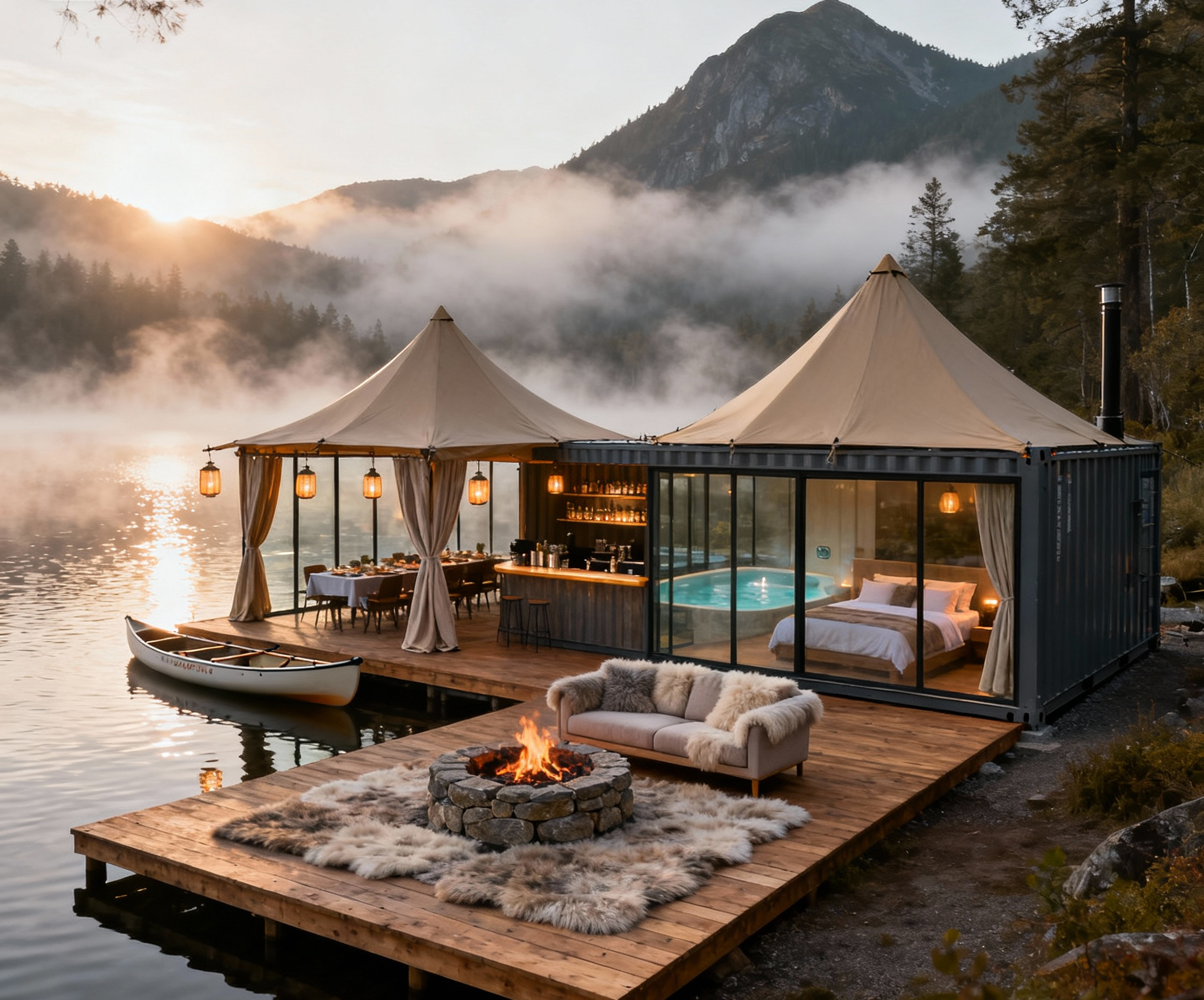
Some leading trends also include outdoor living spaces. And since people love to be out in the fresh air, many plans feature porches, decks or patios. Barbecues and relaxation can be enjoyed in these spaces, and you might find yourself gardening as well. Some designs even feature green roofs, or roof tops covered in plants. This keeps the house looking pretty and helps to keep cool in the summer. What’s more, many tiny-container houses today are giant windows. Inside, large windows pour in sunlight and make the place feel larger. They also offer good views of the outdoors.