
 EN
EN
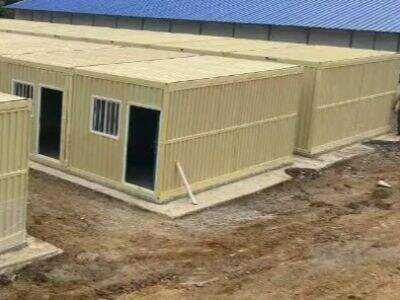
Aedificare domum ex contentoribus potest esse experientia perquam iucunda. Domus ex contentoribus sunt illae, quae ex contentoribus navalis transportis fiunt. Robustae sunt, securae sunt, et valde distinctae esse possunt. Si tu cogitas aedificare domus container , oportet te scire gradus qui in hoc opere continentur. Apud nostram societatem, Playwise, docemus te quomodo cotidianum contentorem in locum convertas ubi omnes sibi domi sentiant. In hoc articulo omnia tibi explicabimus quae de aedificatione tuae domus ex contentoribus scire debes, inter quae praecipua sunt commoda et modus quo recte isulatur.
Quae sunt commoda domus ex contentoribus?
Sunt multa beneficia ex aedificatione domus e continenti. Primum, valde sunt pretiosa. Continentes navalia communis est et comparari potest ad pretium modicum. Hoc fecit possessionem domus magis pretiosam multis hominibus. Secundo, non diu tempus consumunt ad aedificandum. Quia continentes iam exstant, celerius converti possunt in domos. Citius in eas inire potes quam in domum consuetam. Aliud mirabile beneficium est quod domus Container sunt amicae ambienti. Veteres continentes navalia reutilizati sunt modus amicus ambienti ad vitandum absumptionem. Haec res est bona pro planeta.
Domūs ex continēntibus aedificātae etiam incredibiliter fortēs sunt. Ad altum in nāvibus onerandōs factī sunt, ut gravissimās oneris partēs sustinēre possint, atque ideo tempestātēs ac extrema tempestātum condiciōnēs etiam superant. Hoc est quia tū tuam domum ex continēntibus habitāre tute potes. Praetereā valdē flexibiles sunt. Continēntēs super sē invicem conlocāre aut eōs quōcumque modō ad tuam voluntātem aptāre licet. Ita tibi facultās datur tuam propriam et unīcam formam condendī.
Postremō, domūs ex continēntibus maxime efficācēs esse possunt in ūsu energiae. Etiam tabulās solārēs aut turbinēs ventī installāre licet, ut tuam propriam energiam creēs. Hoc etiam tē pecūniā in expēnsīs pro energiā conservāre potest. Itaque aedificāre domus praefabricatae ex containeris non sōlum speciōsum est, sed etiam prūdenter factum est. Incipe iter ad aedificandam domum ex continēntibus, quae optimē conveniat tuae vītae rationī et terrae prodesit, cūrante Playwise.
Calefaciēns Domum Tuam Ex Continēntibus Ad Maximum Effectum
Isolatio domus containeris tui maximae est momenti, ut ea commoda fiat. Containeres ex metallo fiunt, quod aestate vehementer calefit et hieme gravissime frigescit. Optima isolatio est remedium ad hoc. Sunt varii generis materiae isolatoriae quas uti potes. Isolatio per spumam pulverizatam unum talium exemplorum est. Haec est liquida substantia quae in spumam convertitur et omnes interstitia in tuo containere implet. Optima est ad hoc — calorem retinet et frigus prohibet.
Alterum consilium est usus tabularum spumosarum. Tabulae ad parietes containeris affigi possunt. Ad quamlibet magnitudinem secari possunt et facile in interstitia inseri. Etiam isolatio ex vitro fibroso uti potest. Haec est velut lanugo confecta ex vitro, quae domum tuam tepidam tenet. Sed cave, ut manibus tuis tegendis utaris dum eam tractas.
Etiam pavimenta atque tectum considerare debes. Pavimentum isolare potest ad eum in hieme teporem retinendum. Sub pavimento subicere potes corticem aut spumam. Ad tectum potes uti isolatione quae calidum solem reflectat. Sic interior frigida manet.
Denique fenestras et fores non praetermittas. Fenestras tuas duplici vitro munire est unum ex optimis modis calorem retinendi. Vide si fores bene obsignantur et adhaerent, ne aer intret (aut effluat). Bene isolando, domus tua ex contentoribus erit habitatio commodissima, quocumque tempore extra sit. Cum auxilio Playwise, domus tua ex contentoribus erit calida et efficax.
Quae stultissima et facillima vitia vitare debes, cum domum ex contentoribus aedificas?
Aedificare domum ex contentoribus est negotium exhilarans, aequivalens aedificationi domus tuae desideratae, nisi committas errores vulgares et sic processum laedas. Contentor idoneus: Optimum initium est eligere contentorem idoneum. Multi homines optant viliorem, non considerantes eius usabilitatem. Contentor qui rubigine corrumpitur aut qui laeditur postea carior evadet. Semper ergo contentorem inspice antequam emas. Alterum peccatum est neglegentia in isolando. Nam contentores navalia sunt ex metallo, quod aestate calidum fit et hieme frigidum. Si non insulas bene, domus tua forsan erit incommoda. Utare materia idonea, ut contentor tuus bene claudatur.
Deinde, considera planum aedium tuarum ex contentoribus. Inserere nimias camerulas in angustum spatium est unum ex erroribus frequentissimis. Ne obliviscaris: contentores sunt loca exigua; melius est paucas camerulas bene dispositas habere quam multas congestas. Possis uti plano quod spatium bene utitur, ut sunt loca aperta et mobilia multiplex usus. Praeterea, ne obliviscaris de ventilatione. Aera bona in quacumque domo est necessaria, sed in contentore metallico est praecipua. Si fenestras aut foramina neglexeris, domus tua fiet suffocans et insalubris.
Denique, antequam hoc opus suscipis, certum est locales leges aedificandi perlegere. Sunt qui putant se domum ex contentoribus ut velint corrigere posse, sed hoc difficultates parere potest. In omni iurisdictione sunt regulæ quae praecipiunt qualiter ædificia construenda sint. Itaque prudens est licentiam impetrare et certum facere consilia tua his legibus congruere. Si vitaveris insidias in hoc articulo enumeratas, tute, commodè et iucunde in domo ex contentoribus habitare poteris.
Quomodo contentores navaliales in domos elegantes convertuntur?
Facilius est quam videtur containerem in egregium habitandi locum convertere. Incipe a bono consilio de forma. Imaginare tibi quomodo spatium uti velis. Opus estne tibi cubiculo aut culina aut area ad requiescendum? Ideās tuās in chartā pōne. Sis creatīvus. Etiam colōrēs alios atque materiās, quae cum stīlō tuo conveniant, eligere potes. Containerēs pingī possunt coloribus vivīdīs aut tegī corticibus ligneīs, ut aspectum calidum creent. Cōgitā de magnīs fenestrīs ad lūcem naturālem admittendam et ut spatium maius sentiātur.
Deinde intus aspice. Cum spatium intus in containerē instruere coneris, omnis pollex momentī est. Mōbilia elige quae duplicem usum habeant, ut canapē quod lectus fit aut tabulae quae plicentur. Sic spatium servāre poteris sine ulla stīlī detrīmentō. Etiam scabellās adicere aut mōbilia fixa ad rēs tuās recondendās in pace potes. Addere aliquās plantās intus et forīs potest ut domus tua ex containerō vīva et recēns sentiātur.
Illuminatio est aliud conceptum quod aspectum domus ex continenti afficit. Conare ut calida maneat et utare combinatione lucernarum in summo, lucernarum pedestrium et lucernarum festivarum. Potes etiam includere quasdam iucundas lucernas quae tuo stilo conveniant. Ne obliviscaris spatiorum exteriorum. Aedificatio patio vel tabulato adhuc amplius spatium praebet ut exteriores laetitias fruamur. Cum sedilia, mensam parvam et fortasse leves ornamenta adieceris, contaner tuus in locum idoneum transformari potest ubi cum amicis et familia convivaris.
Postremo, optio amica ambienti consideranda est. Etiam placere potes tabulas solares aut systemata collectionis aquae pluviae ut magis amica ambienti fias. Haec non solum pro planeta bona sunt, sed etiam tibi pecuniam in posterum parcunt. Cum modico ingenio et bono consilio, contaner tuus in domum modam et commodam transfigurari potest quae tibi omnia praebet quae in vita desideras; apud Playwise ad te ducebdum venimus per omnem viam.
Quomodo Tiny Domum ex Containere Tuam Emptoribus Multis Vendere Possis?
Mercatio ingens domorum containerum tuarum est mirabilis via ad attingendos plurimos possibiles emptores et ad vendendos plures domos. Primum est intellegere, qui sint emptores tui. Emptores ingentes plerumque sunt negotia aut consummatores qui interestur in emptione plurium unitatum simul. Volunt videre domos containerum tuarum et quomodo eas ad suos usus accomodare possint. Primo, fac ut containeres tui notitiam brandi habeant. Representa domos tuas et cura ut sint elegantes, durabiles et amicae ambienti auxilio Playwise. Fortis nuntius brandi emptoribus fiduciam praebet in eo quod offers.
Deinde accipe aliquas bonas imagines et videos de tuis domibus containeris. Accipe in conspectum loca clarissima, ut sunt interiora formosa, dispositiones sapientes et designa unica. Fortasse etiam videos creare potes, quae ostendant quam facile sit constitutio aut conversio containeris in spatium habitabile. Curandum est ut has imagines in tuo sito web et in platformis socialibus pones. Uti platformis ut Instagram et Facebook tibi adiuvare potest ut ambitum tuum augere possis. Cura ut, ut marca in rete, cum auditorio tuo interrumpas — quaestiones responde et commentariis responde.
Alius modus est ire ad ferias et exhibitiones commerciales quae de aedificiis, vita viridi, et similibus tractant. Haec spectacula tibi permittunt ut cum potentiis clientibus personam ad personam contacteris. Fer brochuras et chartas commerciales ut domos ex contentoribus ostendas. Praeterea praebere potes conditiones speciales et deductiones emptoribus in grosso, ut eos ad emptionem a te incitares. Connexiones cum aliis negotiis in eodem ramo etiam novas occasionem aperire possunt.
Denique tenta mercata interretialia et situs rei publicae ut occasionem habeas domos ex contentoribus tuas adhibendi. Curaveris ut descriptiones tuae sint copiosae et omnia beneficia domus ex contentoribus complectantur. Accentus ponendus est super qualitatibus amicis naturae et pecuniarum conservatione quae cum habitare in contentore coniunguntur. Cum coeperis emptores in grosso interrogare cur alii situs meliores videantur, progredere ad gradum superiorem cum plano marketing exactissimo et perquam comprehensivo.
Table of Contents
- Quae sunt commoda domus ex contentoribus?
- Calefaciēns Domum Tuam Ex Continēntibus Ad Maximum Effectum
- Quae stultissima et facillima vitia vitare debes, cum domum ex contentoribus aedificas?
- Quomodo contentores navaliales in domos elegantes convertuntur?
- Quomodo Tiny Domum ex Containere Tuam Emptoribus Multis Vendere Possis?