z-type-foldable-container-house-site-office, z-type-foldable-container-house-site-office, /z-folding-container-house
EN
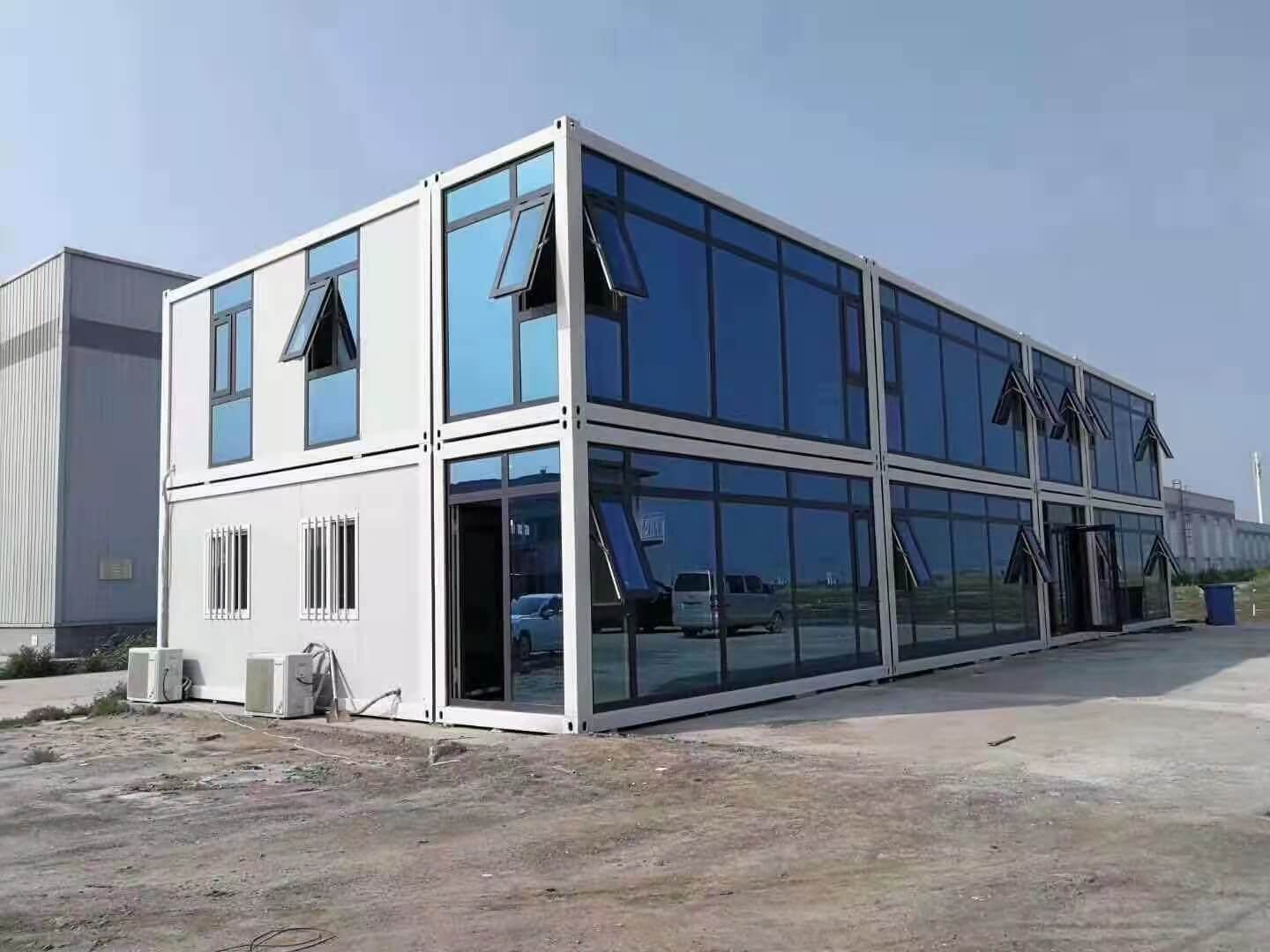
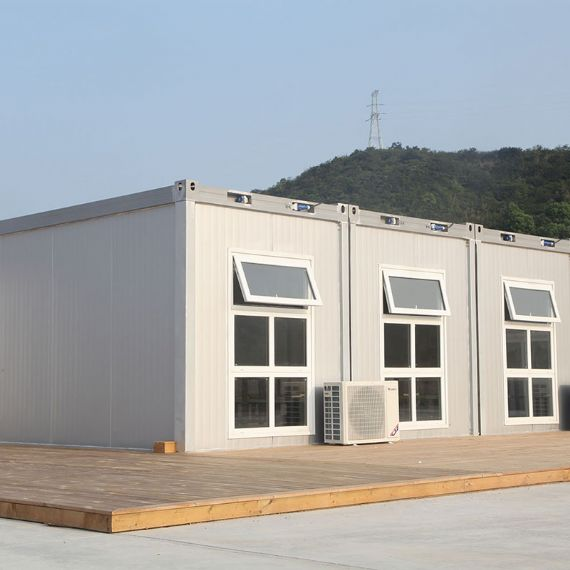
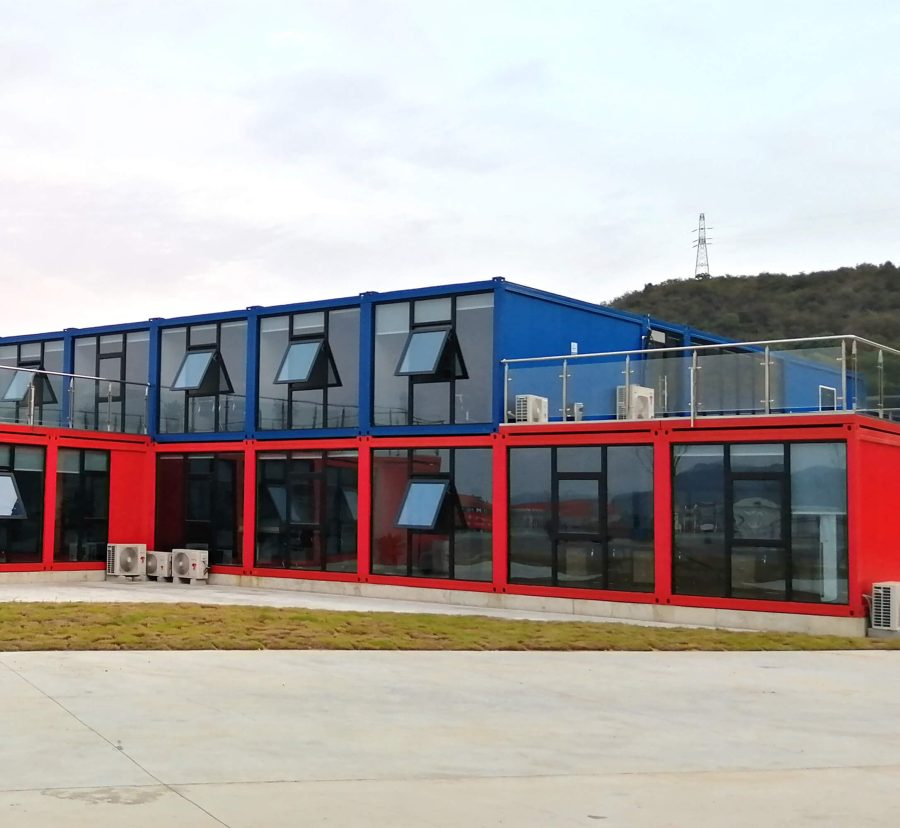
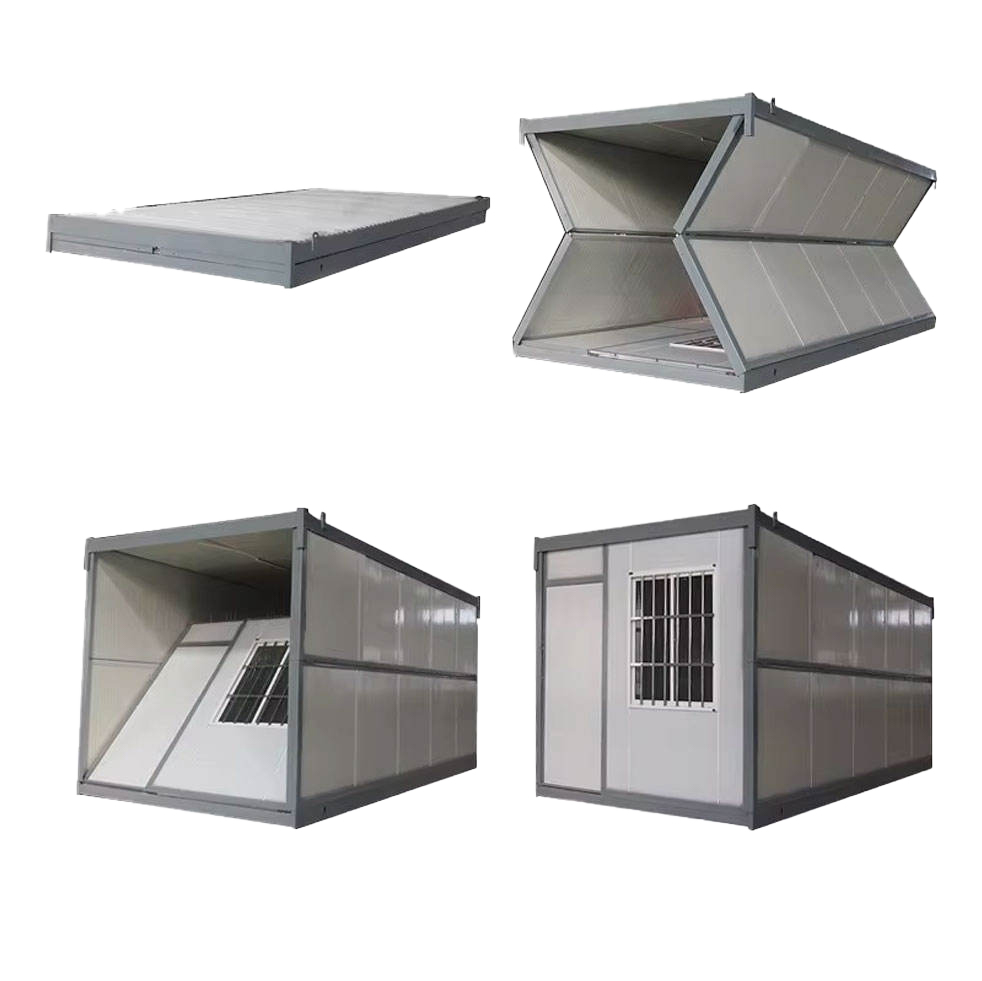
Z-type foldable container office; 5800×2440×2620mm, folds to H=440mm, 10 units per 40HQ. CE, ISO9001, TUV certified.
| Parameter | Value |
|---|---|
| Standard Size (L × W × H) | 5800 × 2440 × 2620 mm |
| Folded Height | H = 440 mm |
| Loading Capacity | 10 units per 1 × 40HQ container |
| Customized Size | Available on request |
| Primary Frame | Q195 / Q235 / Q345 light steel frame |
| Columns, Beams & Secondary Beams | Q235B steel |
| Fasteners | 8.8 Class high-strength bolts |
| Wall & Roof Panel | EPS color steel sandwich panel |
| Floor Panel | 18mm fireproof glass magnesium board |
| Structural Coating | Electrostatic spraying plastic powder baking varnish ≥ 80 μm |
| Roof Type | Flat roof |
| Maximum Layers | ≤ 2 |
| Electrical Supply | 220V / 50Hz |
| Certifications | CE, ISO9001-2000, ISO14001, TUV |
Q1: How quickly can a unit be installed on site, and what labor is required? The bolted Q235B steel frame and pre-fabricated EPS sandwich panels are designed for sequential manual assembly without specialist structural trades. Confirm exact installation sequence and tooling requirements with the manufacturer before site mobilization.
Q2: How does the folded height of 440mm affect international shipping logistics? The 440mm folded height allows 10 units to be loaded per 1 × 40HQ container, directly reducing the number of container shipments required per project. Procurement teams should use this figure as the baseline for freight cost modeling and delivery schedule planning.
Q3: What does the ≥80μm electrostatic spraying coating provide in site conditions? The ≥ 80 μm dry film thickness from the electrostatic spraying plastic powder baking varnish process provides measurable corrosion and surface protection for the steel frame under outdoor site exposure. This coating specification should be verified against the project's environmental exposure class during procurement review.
Q4: Can units be stacked, and what is the maximum structural height? The system is structurally rated for a maximum of 2 layers. Projects requiring more than 2-storey height configurations cannot use this system without independent structural re-engineering; this constraint should be confirmed against site layout requirements before issuing a purchase order.


 EN
EN