
 EN
EN
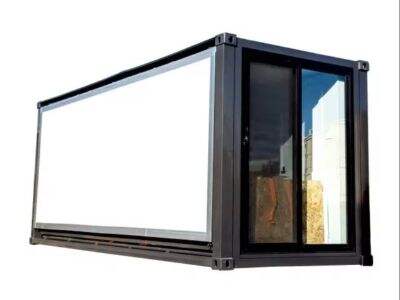
Container homes are one-of-a-kind houses that are made from shipping containers. These canisters are very sturdy and durable so would work well for crafting. They can transition into homes and offices or storefronts. Container homes are in vogue in part because they can be cheaper than traditional housing. They’re also environmentally friendly since they recycle materials that would otherwise go to waste. At Playwise, we specialise in building luxury container homes that are unique and beautifully functional.
What Material Is Container House Made From?
Container homes are typically constructed from steel shipping containers. These containers are designed to transport heavy loads across oceans, so they’re very sturdy. People often add insulation to use them as container house. Insulation can be constructed from materials such as foam and fiberglass. That helps to keep the house warm in the winter and cool in the summer.
Windows and doors are also key for container homes. To add these features, many builders simply cut holes in the containers. They rely on materials such as glass for windows and wood or metal for doors. The roof could require special materials, too, especially if the house is in a place where it rains often. Some builders install metal roofs, while others may select tiles or even green roofs with vegetation.
In the container you have options for walls, floor, ceiling. Drywall is also a popular option for walls, leaving them with a clean look. For floors, folks might be using wood, laminate, or even tile. Each material has its own character and feel. It all depends what the owner likes.
And of course, the plumbing and electrical to make a container house comfortable to live in and capable of powering basic technology. Plumbing is typically done with PVC or copper pipes, and the electrical wiring is primarily made up of copper wire. These systems can provide water flow and electricity to help the home run efficiently.
The Best Container House Materials For Wholesale Buyers And How To Choose Them
There’s a lot to consider when wholesale buyers shop for materials for container houses. They first must evaluate the quality of the materials. The quality materials last longer and are safer for the house. It’s also good to verify whether the materials are eco-friendly. These days, many people desire to construct homes that are nice to the environment.
You will also want to consider the cost, buyers. In some cases, less expensive materials can be a way to save money up front and create problems later. Poor insulation, for instance, might not keep the house warm in winter, resulting in higher heating bills. It’s wiser to invest in good insulation once and for all.
Another variable is the supplier's credibility. Buyers als an also consider suppliers with a good repu ration for reliable materials. Reading reviews and seeking recommendations can assist you to make the right decision. If the materials are good, your supplier will not let you down on delivery time or in terms of safety.
Also, it’s helpful to consider how the container home is designed. Certain materials work better with certain styles. For instance, a contemporary prefab container house may look best with minimalist metal and glass, and a rustic one could feature wood and stone. Buyers always have an image in mind, they can imagine how their own room will look and feel when furnished, and then decide the materials to go for.
Third, wholesale purchasers have to think about the materials. Some of the materials can be difficult to source, so it’s a good time to have backup options. That way, if one material is not available, purchasers can still get on with their projects without obstruction. Remembering these guding, hopefully wholesale buyers could select the really useful materials for container houses.
How Much is the Breakdown of Container House Material?
Creating a container home is an excellent time, and if you’re new to the process then you may be wondering exactly how much it will cost. Step 1: Buy the shipping containers First, you must acquire the shipping containers. They are sturdy steel and available for various prices. A used container can go for anywhere from $2,000 to $5,000, and a new one would set you back between $6,000 and $10,000. The cost can vary depending on the condition and size of the container. Once you have the container, then you’ll need to consider insulation. Insulation, or the lack of it, is what helps keep your house warm in winter and cool in summer. Foam board or spray foam are good insulation materials that will cost around $1,000 to $3,000 for a small home.
Next you need think about your floor, walls and roof materials. Lots of people use wood or plywood for the interior walls and floor. That can range from $1,500 to $4,000 depending on the wood. You’ll also need windows and doors, at a cost of $500 to $2,000. Don’t overlook the plumbing and electrical. One of the more important tasks is installing pipes and wires for water and electricity. This costs between $3,000 and $6,000. Finally, you will undoubtedly paint the house and add a roof if necessary, both in the $1,000 to $3,000 range. So when you tally the expenses, building a container house can cost around $15,000 to $30,000 or more (don’t forget that filing permit for your two-story dream home). It’s an original way to have a unique home, especially if you decide to work with a company like Playwise that can help lead the process.
Where to Get Green Materials for Container Homes?
There are a lot of reasons to construct your container house with eco-friendly materials. Environmentally friendly materials that could reduce the trash burden are okay. Local recycling centers are among the best write-up's for finding such materials. You frequently can come across reclaimed wood, metal or other things people no longer need. Not only is repurposing a win for the planet, it can also save you money. Another great place to shop is green building supply stores. The stores specialize in sustainable products, usually offering an array of all-natural materials.
You might also visit online marketplaces that are specifically concentrated in green building supplies. Green-product-supporting websites can be a gold mine of options. For instance, you could find bamboo floors, or recycled insulation for your home that are better for the environment as well as stylish. Some companies manufacture from natural resources, such as straw bales or earth blocks, which can be both sustainable and affordable.
Local farms and nearby construction sites are other excellent sources. Farmers may occasionally have leftover from building projects or can sell you straw or wood. In the same way, could a site currently under construction have surplus materials they be willing to sell for less? Don’t forget to ask if the materials you are purchasing are eco-friendly. A company like Playwise can also help you discover the finest eco-friendly materials for your container house. They can help steer you in the direction of making choices that are right for both you and the changing climate of your planet.
What Are Typical Problems And Phenomena Of The Container House Material That Buyers Should Pay Attention To?
Here are a few considerations to be aware of about a container house. One issue is rust. Shipping containers are metal, and untreated, they will begin to rust over time if placed in a wet environment. There are special coatings you can paint on to the container that will prevent this. Maintenance is also essential to ensuring that containers are well maintained.
Insulation is another consideration. It is a common misconception that containers are insulated, but they are not. You’ll need to add insulation if you want your home to be comfortable. If you don’t have adequate insulation, the house can become too hot in summer and too cold in winter. Be sure to select the appropriate insulation, and install it appropriately.
Moreover, some buyers may not even be aware that shipping container homes can be difficult to finance. Because they are not traditional homes, it is likely that a loan for container houses will be offered by only some banks or lenders. It’s a nice idea to check with lenders in advance to find out what they have for you.
Finally, you are going to need to know your zoning laws issues and building codes. The rules on where you can place a container house and how it should be built can vary by location. Be sure to check with local authorities lest you run into trouble. Establishing a container home with a company like Playwise can help ease these stress and give you the container home of your dreams.
Table of Contents
- What Material Is Container House Made From?
- The Best Container House Materials For Wholesale Buyers And How To Choose Them
- How Much is the Breakdown of Container House Material?
- Where to Get Green Materials for Container Homes?
- What Are Typical Problems And Phenomena Of The Container House Material That Buyers Should Pay Attention To?