Technical Specifications
| Parameter |
Value |
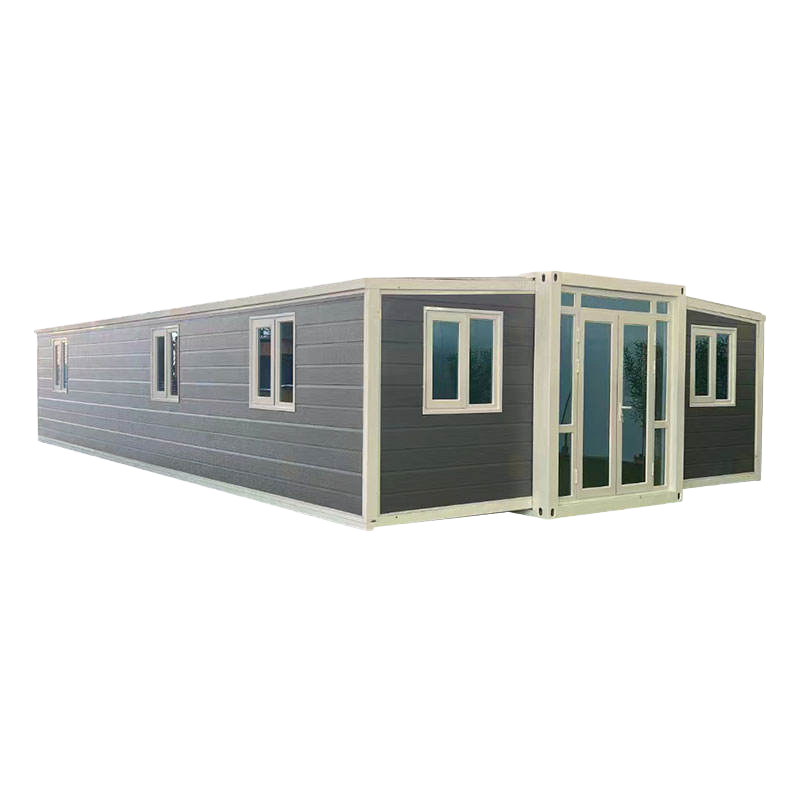
| Installed Size (L × W × H) |
11800 × 6240 × 2480 mm |
| Folded (Transport) Size (L × W × H) |
11800 × 2200 × 2480 mm |
| Main Frame |
H-section steel beams & columns (painted or hot-dip galvanized) |
| Secondary Frame |
Hot-dip galvanized C-purlins, steel bracing, tie bars |
| Tie Rod |
Circular steel tube |
| Brace |
Round bar |
| Roof Panel Options |
EPS / Glass fiber / Rock wool / PU sandwich panel (optional steel sheet facing) |
| Wall Panel Options |
Sandwich panel / Corrugated steel sheet |
| Finish Options |
Painted steel / Hot-dip galvanized steel |
Key Features & Benefits
- Folded transport width of 2200 mm reduces per-unit shipping volume by approximately 65% compared to the 6240 mm installed width, directly lowering freight cost per project.
- H-section steel beam and column main frame provides high flexural rigidity in both axes, suitable for deployment on uneven or remote terrain.
- Hot-dip galvanized C-purlins and steel bracing in the secondary frame resist corrosion in coastal and high-humidity environments without supplementary treatment.
- Four interchangeable panel systems (EPS, glass fiber, rock wool, PU) allow thermal and acoustic performance to be specified per site requirement rather than fixed at manufacture.
- On-site expansion from folded to full installed width does not require heavy machinery, reducing labor requirements on constrained or remote sites.
- Painted or galvanized finish options allow the structural frame specification to be matched to site exposure class and budget.
Applications
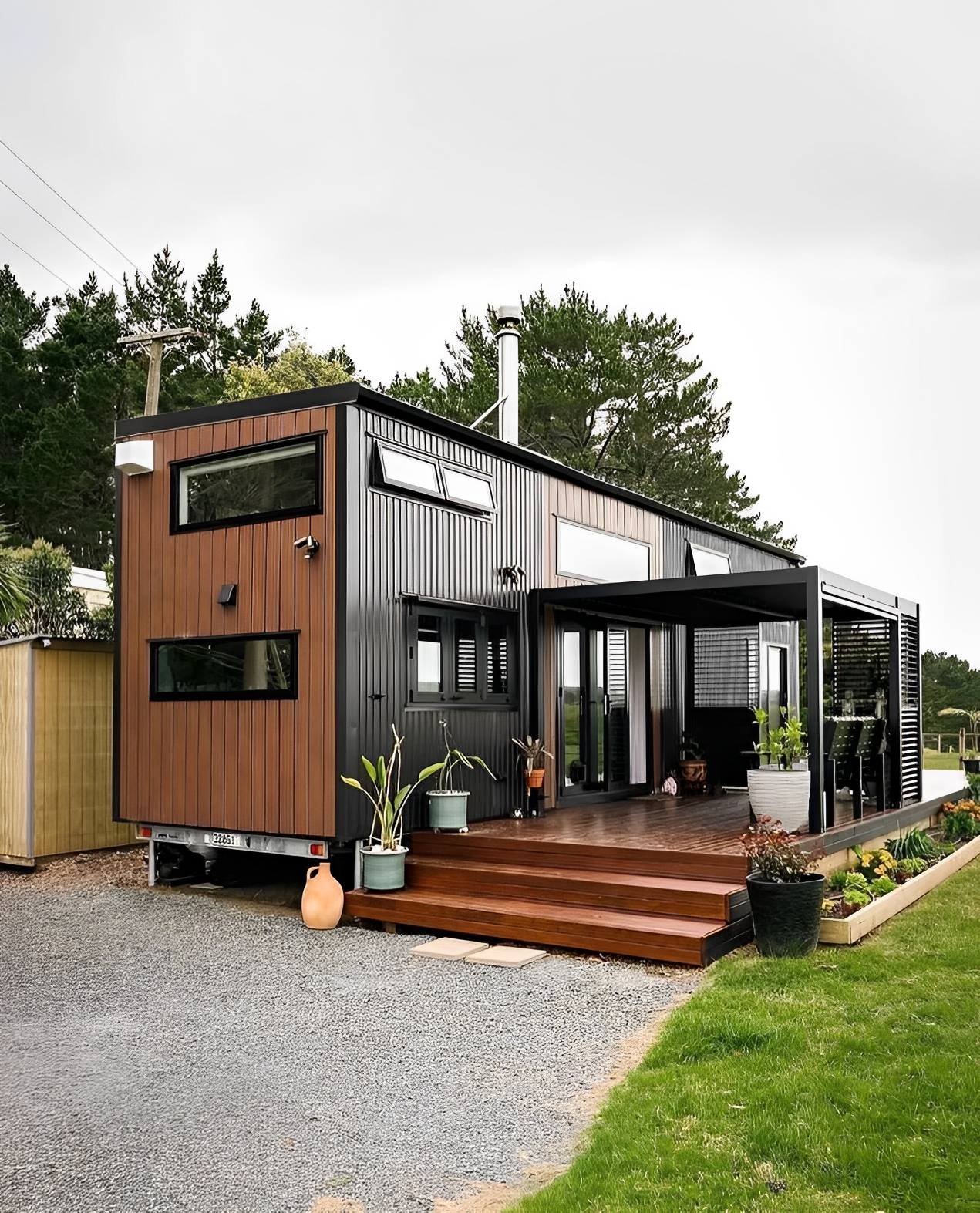
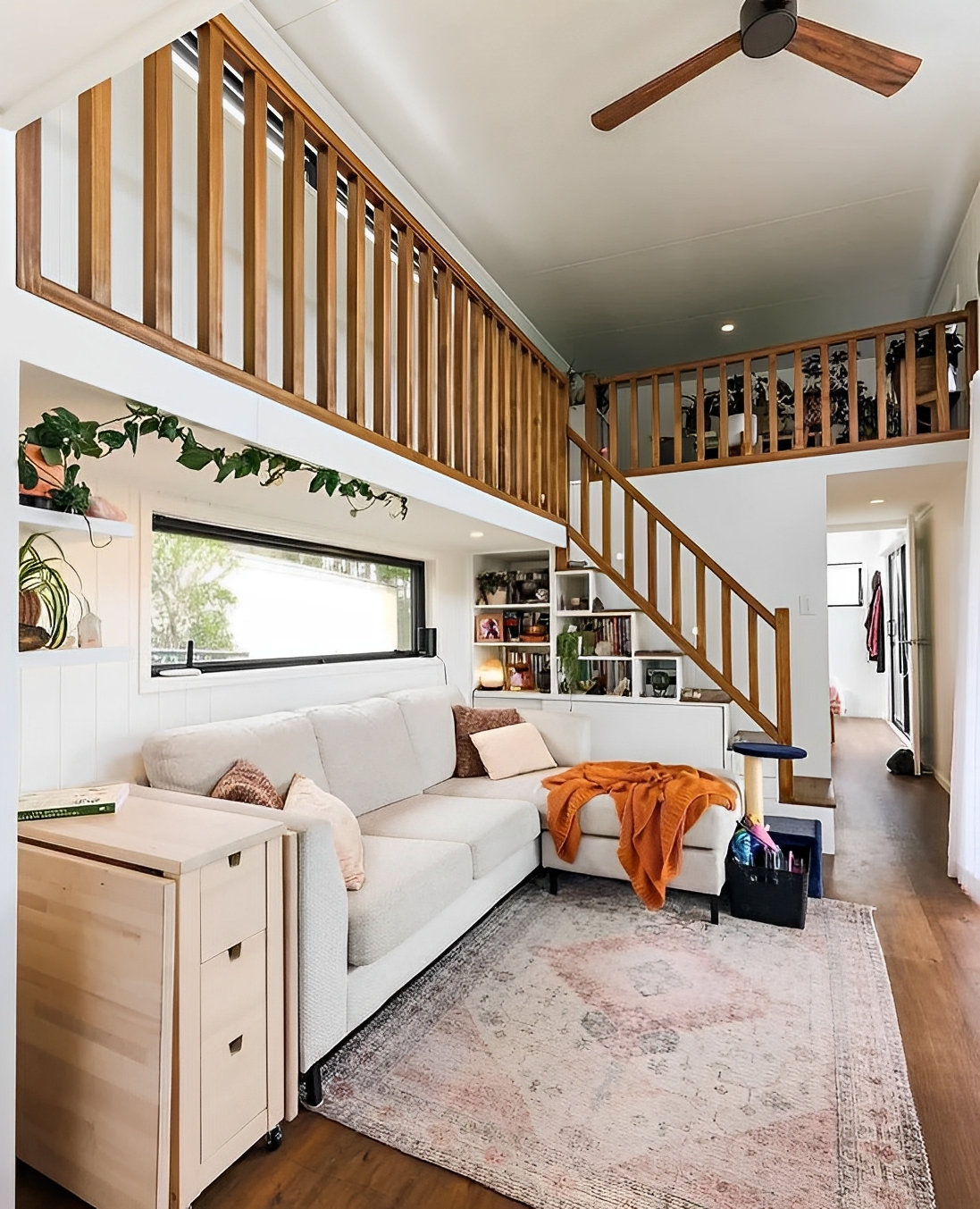
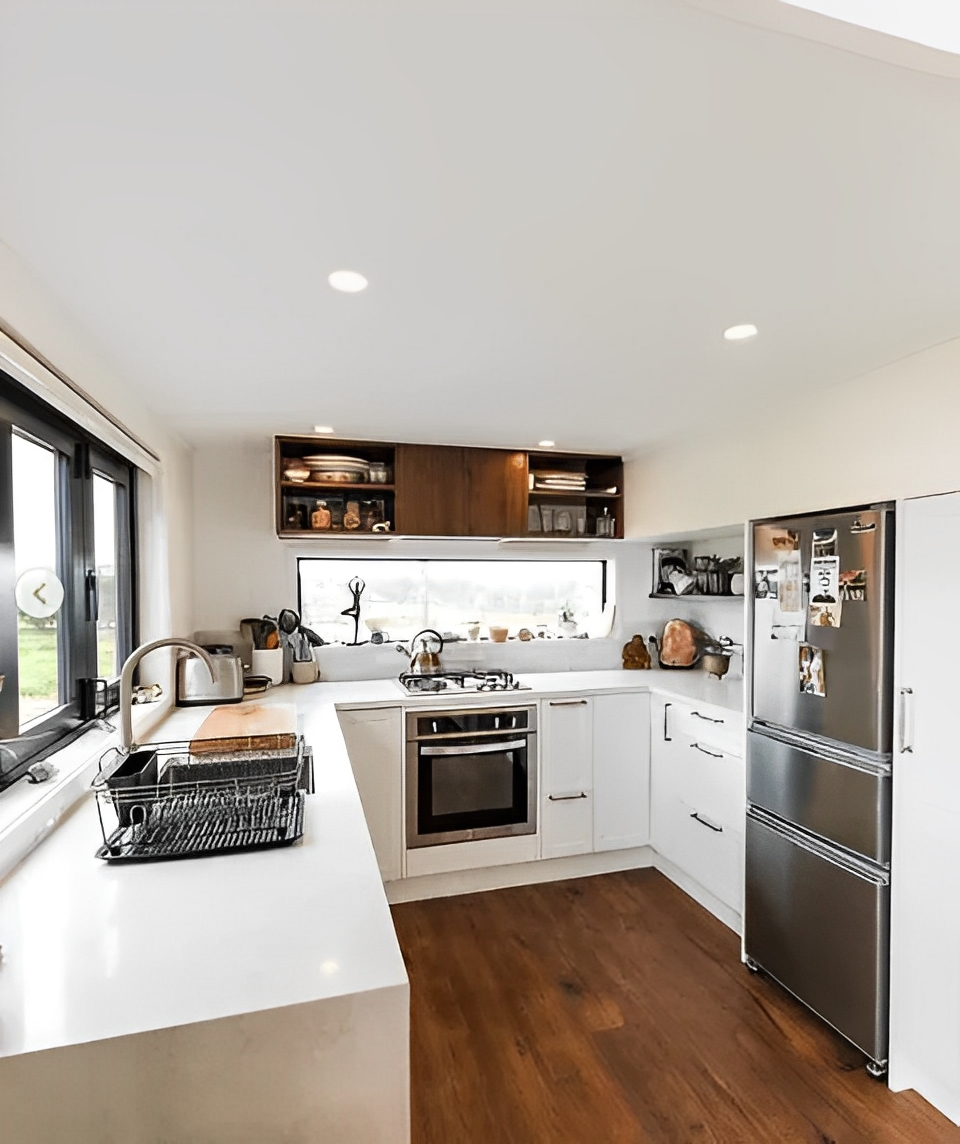
- Resort and hotel developers can procure multiple units as standardized guest rooms or service cabins, using the folded transport size to maximize freight density on international shipments.
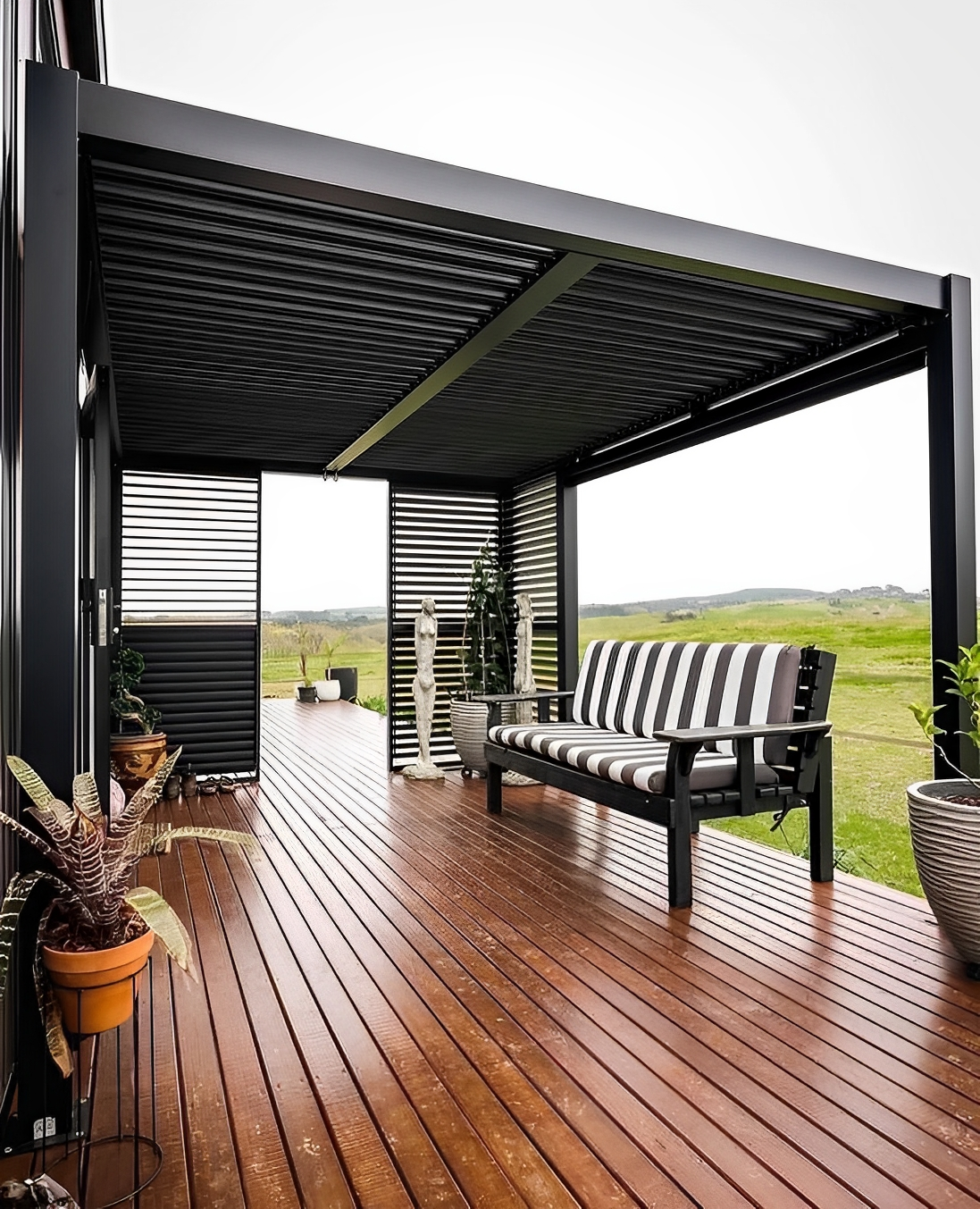
- Vacation rental operators can deploy single or multi-unit configurations on rural or waterfront plots where conventional construction is logistically constrained.
- Homestay and serviced accommodation projects can use the modular system to add habitable floor area incrementally without permanent structural modification to an existing site.
- Commercial operators in remote locations—including mining camps, research stations, and temporary event facilities—can specify the galvanized steel frame where corrosion resistance and structural durability are primary procurement criteria.
- Residential developers evaluating prefabricated alternatives to site-built construction can select panel type to align with local thermal and acoustic building code requirements [subject to jurisdiction-specific review].
FAQ
Q1: Does this unit require a concrete foundation before installation? A permanent concrete slab is not required in all configurations; adjustable steel footings or ground screws are typically sufficient for level sites. Confirm foundation specification with the manufacturer based on soil bearing capacity and local building code.
Q2: Which panel type should be specified for a coastal resort project? Rock wool sandwich panels are the recommended specification for coastal hospitality projects — they provide both thermal insulation and acoustic separation between units, and are not adversely affected by high humidity. PU panels deliver higher thermal resistance per unit thickness where energy performance is the primary driver.
Q3: How many units can be loaded per standard 40ft ISO shipping container? The folded width of 2200 mm is the key dimension for calculating freight density; confirm stacking and lashing configuration with your freight forwarder before committing to a shipment schedule.
Q4: What is the on-site installation time per unit? The expansion mechanism is designed for manual deployment without crane equipment. For multi-unit projects, phased delivery aligned to site readiness is the standard procurement approach.

 EN
EN