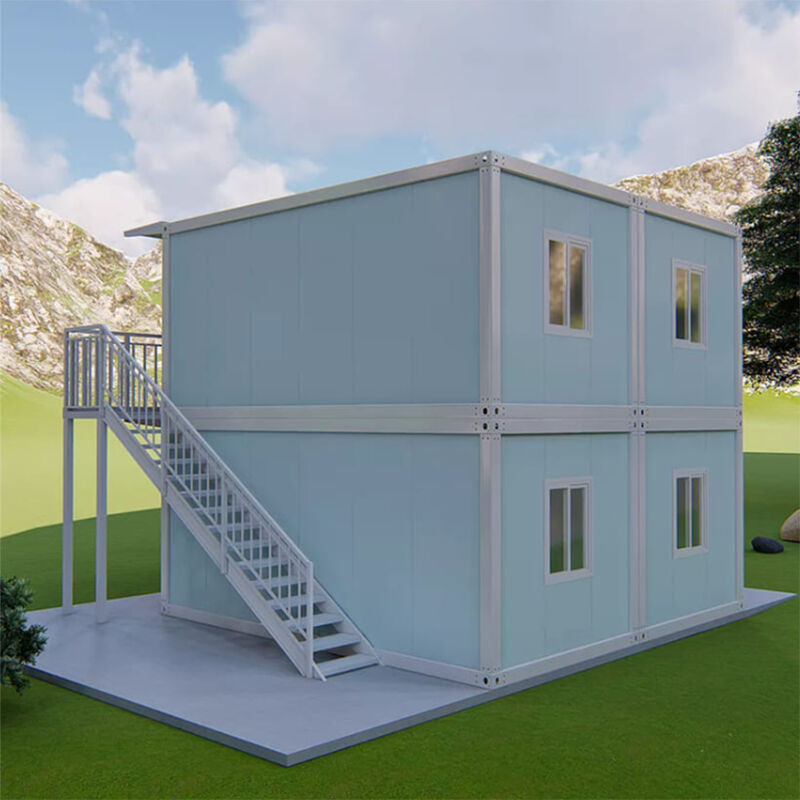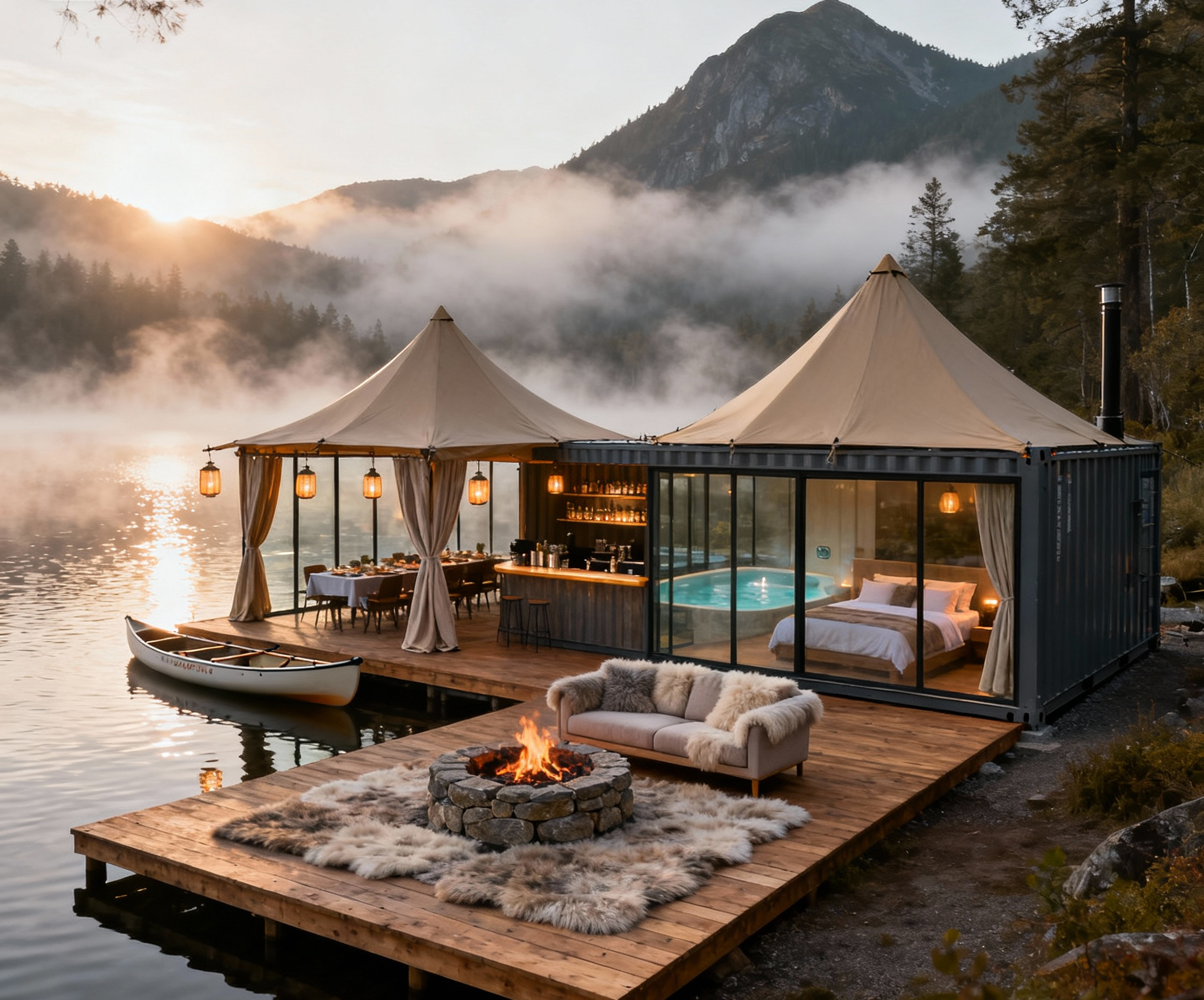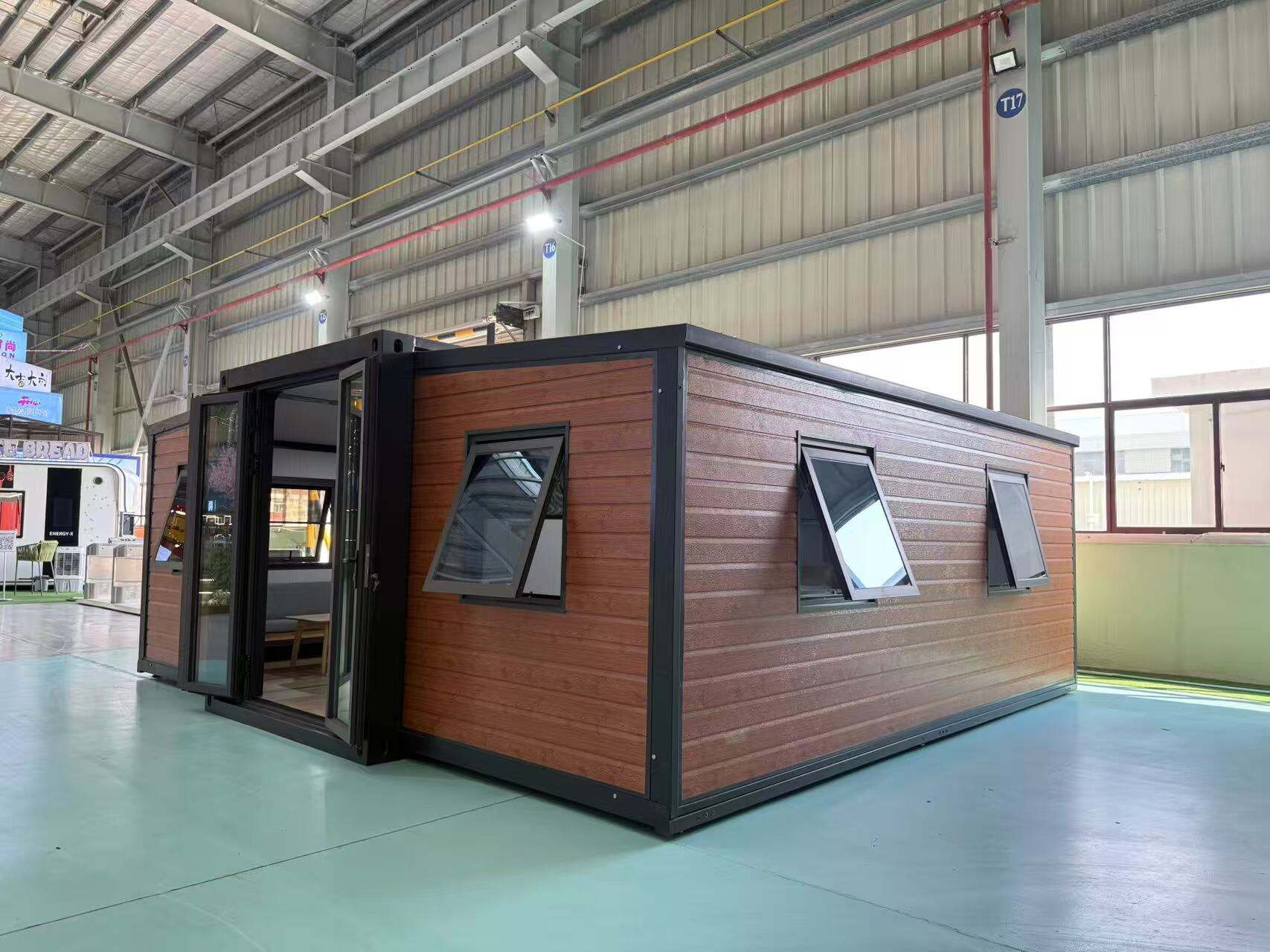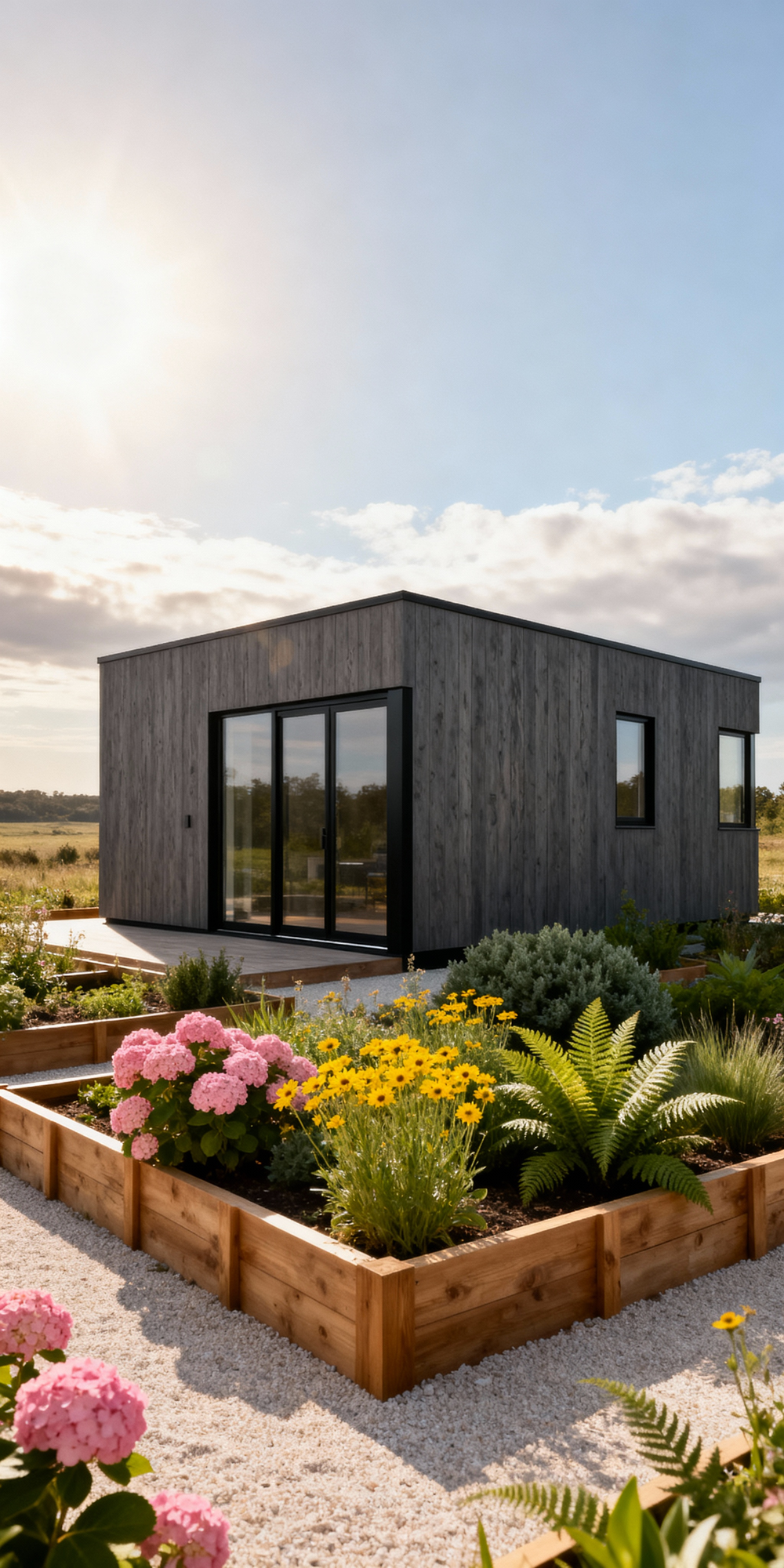

Living a a off grid container home may be fun and exciting! These homes are constructed from shipping containers, which are durable and rebuildable into some pretty comfortable living spaces. There are many reasons people opt to live off the grid. Others want to be self-sufficient from city services such as electricity and water. Others just want to be conscientious caretakers of the environment and minimize their impact on the earth. Here at Playwise, we think off-grid container homes make sense for anyone wanting something different from life. They provide freedom, creativity and an opportunity to live closer to nature.
When choosing the best off-grid container home you want to consider several key factors. First, consider the size. Are you in search of a tiny space for yourself or a larger home your family can grow into? A variety of shipping container sizes are available so you can find one that suits your needs. Some go so far as to put together two or more containers for a larger home. Then consider where you’d like to place your home. Mountains, beach or forest? The site can influence how you design your home and what materials it requires.
Living off the grid can motivate you to think consciously about resource consumption. By watching how much energy and water you use, it is possible to live an eco-friendly life. Not only does this help the planet, it can also be quite rewarding. You might discover that you gender and your elements of nature differently. Living written off-grid in a container home can be an awing way to reconnect with nature, and it turns out there are all sorts of options for doing so. It’s an opportunity to live simply and joyously, all while saving our Earth.
Dwelling in an off-grid shipping container home is definitely an experience and it’s one which you will probably never forget. The largest challenge is power. Solar panels are an energy source of choice for those who live off the grid, which means they aren’t connected to a large, centralized electricity system. Solar panels are a very good choice as these allow you to use energy from sun and it is free for everyday. Yet, the key is to ensure that you have enough solar panels to cover your usage. This involves not only thinking about how much electricity you use to turn on the lights and cook, for example, but also running appliances. If you plan well and establish a good system, you can live a comfortable life without being attached to the power grid.

Then there are issues of water. RA offered some other off-grid homes that employ rain-water collection as well. This means that they catch the rainwater that falls on their roof, storing it in tanks. If you are forced to drink from natural sources, it is crucial to have a good filter that will ensure the water is clean and safe to drink. You can also dig a well for water, but this is costly and involves careful planning. Whichever strategy you go for, make sure that you think through the implications and have sufficient water for when it comes to cooking, cleaning up and quaffing.

Off-grid container homes are taking the world by storm, and it is easy to see why! There are many reasons this is the case. The first is that it's a smart way to recycle — you're sure to feel great about keeping a shipping container out of the junkyard. A large stock of containers are no longer in use for transport. Instead of allowing them to go to waste, people are making homes from them. This is a great way to cut back on waste while reinventing the container. By opting for a container home, buyers are making an eco-friendlier choice.

If you’re in the market for an off-grid container home, then it might be useful to find them at a reasonable cost. A great way of achieving that is to seek wholesale prices. Deals that you get in wholesale are usually lower than retail so you can save a few bucks. To find these deals, you can begin by investigating different suppliers. Several companies offer container homes directly to customers. It’s also worth finding companies that specialize in off-grid living; surprisingly those who cater to “tiny house” culture, like Playwise , are a great resource for sustainably designed seating options.